Seeding Eldercare
How my dad's open-heart surgery got me thinking about the future of eldercare
Originally published on Wandering Founder .
I almost lost my dad in 2023 after he underwent open-heart surgery. This has inspired me to think about eldercare, its problems and how it might be better.
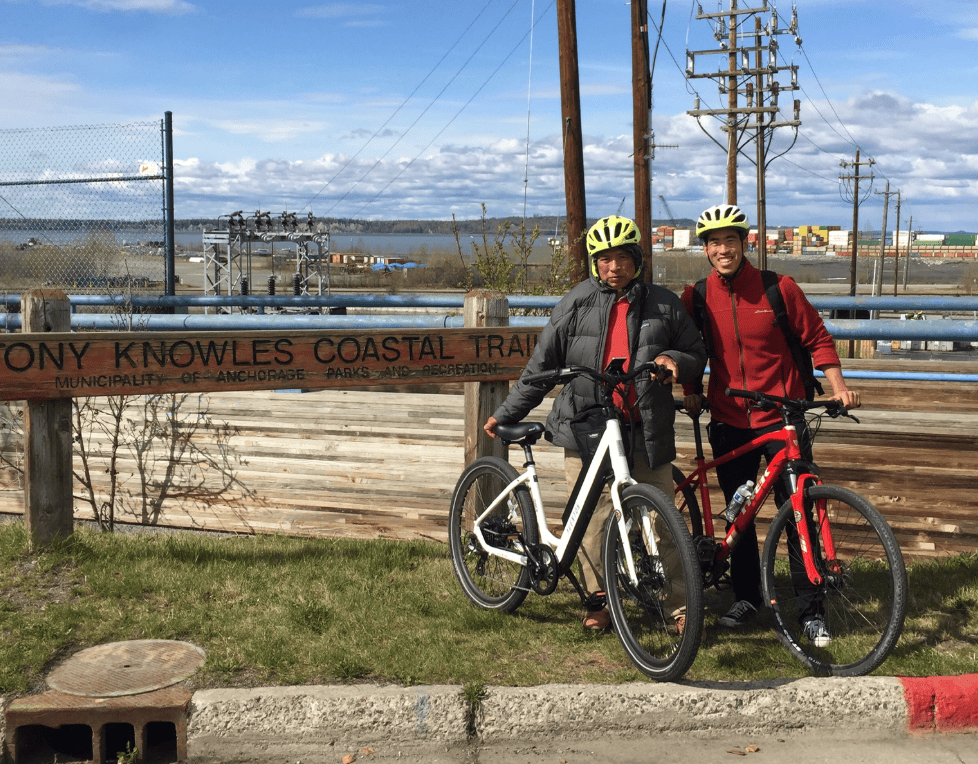
My dad is a goofy guy and he’s been healthy into his 60s.

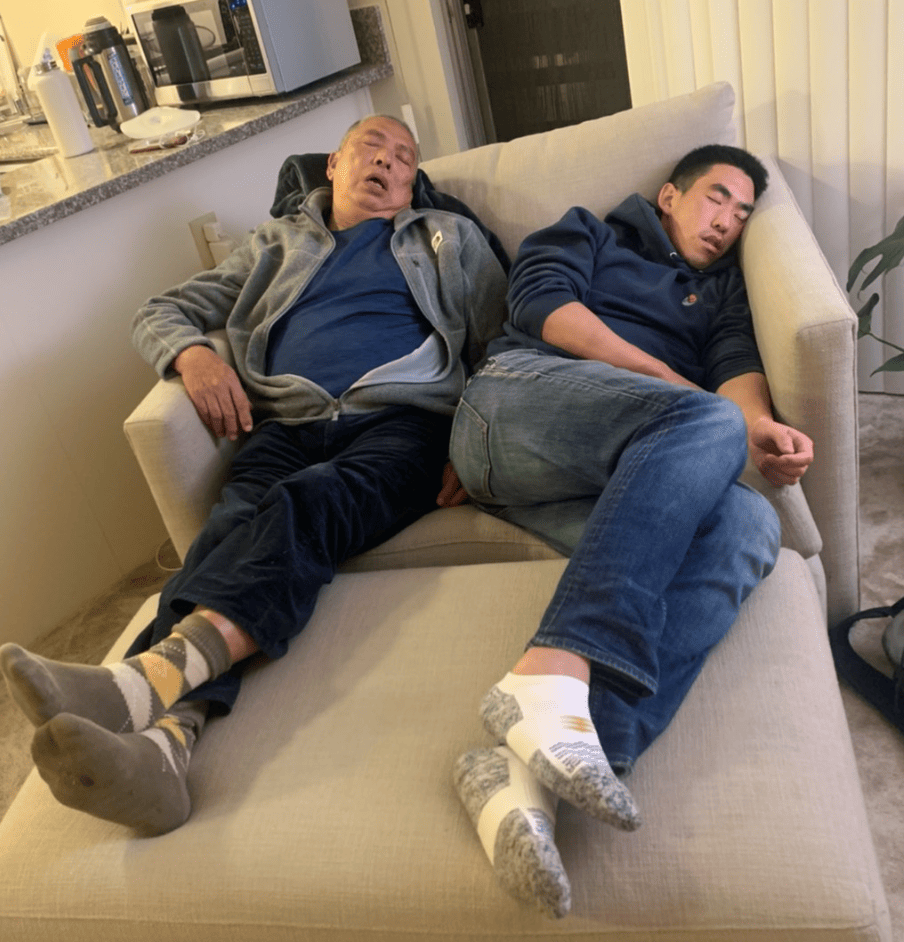
I know we’re related because we have this weird problem where we fall asleep during family outings.
Through his 60s, dad has stayed relatively health — a few minor problems (high-blood pressure, unhealthy eating habits, a minor non-invasive heart valve swap), but nothing noticeable.
During a routine dental visit in 2023, my dad failed to take antibiotics before the cleaning. As a result, he developed endocarditis which is an infection of the heart.
I have never seen my dad’s body fail as fast as it did.
- He could no longer catch his breath on walks.
- He got dizzy
- His heart started beating irregularly
- He got fevers
I still remember the conversation with the cardiologist.
“Your dad needs surgery. The infection could become fatal and he needs open-heart surgery to replace the infected valve. But I have some bad news - 1 in 3 people don’t make it out of this type of operation. You can choose to not do the surgery, but his health will just continue to decline”
These are hard-decisions. Do you risk the surgery or do you hope that Dad will naturally get better and his condition can be controlled? What if you lose him during surgery. My dad opted for surgery.
Leading up to the surgery, I took some time off from work and visited my dad every single day in the hospital as he prepped for his operation. Each day, I’d count down the days until his surgery. I would work half days at my coworking space, then take the train to the hospital to see my dad. Each day, I’d see him watching some TV or eating dinner and I’d just spend a few hours with him. Then I’d take the train home. Repeat.
The week before the surgery was the hardest. Every single time I left the hospital, I asked “what if I don’t see my dad next week?” This was the first time I dealt with the fragility of my dad. How do you cherish your time with your dad, knowing that in the coming days you might lose him? I still don’t have a good answer.
Fortunately, my dad made it and this is something I’m grateful for.
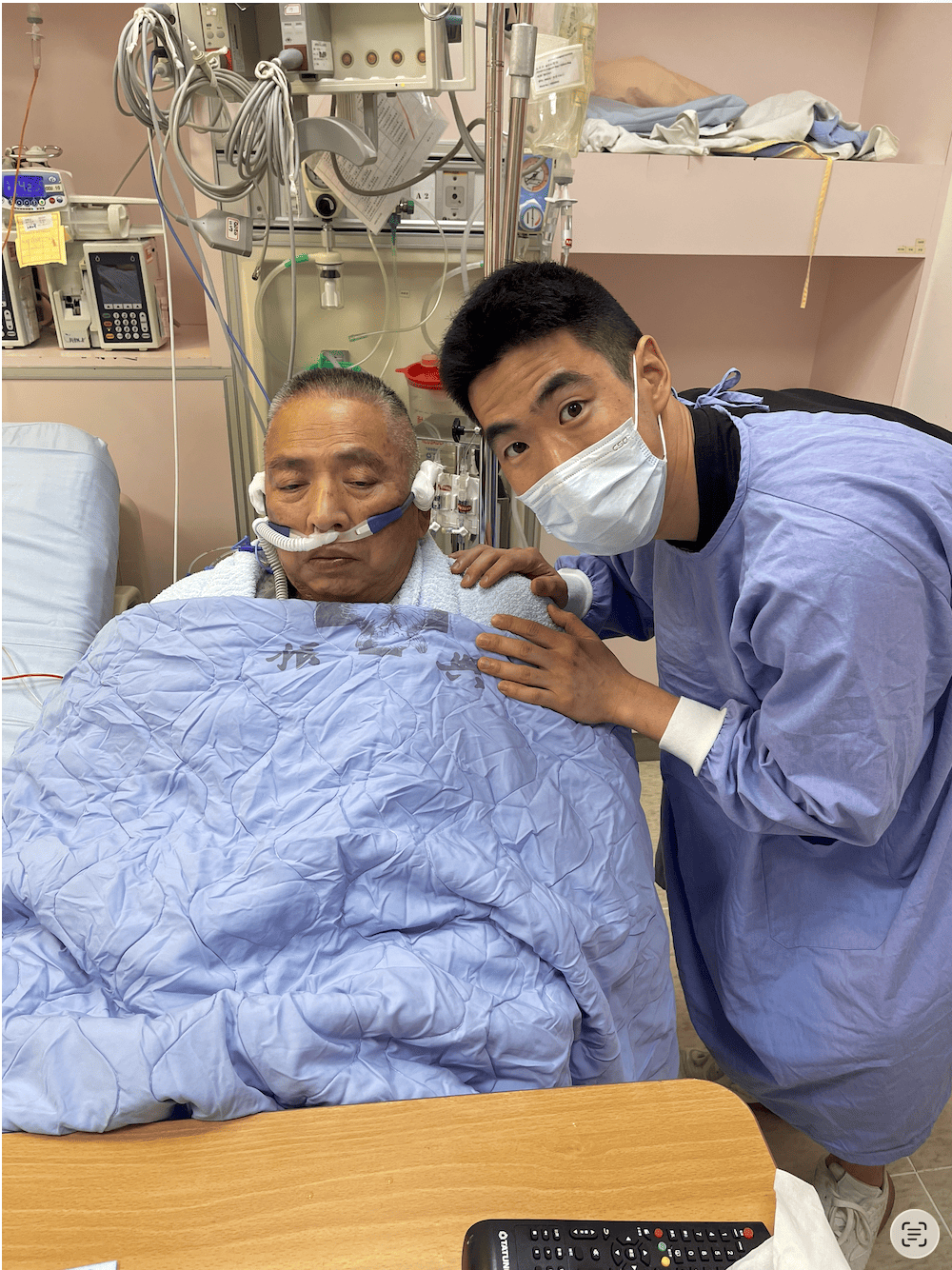
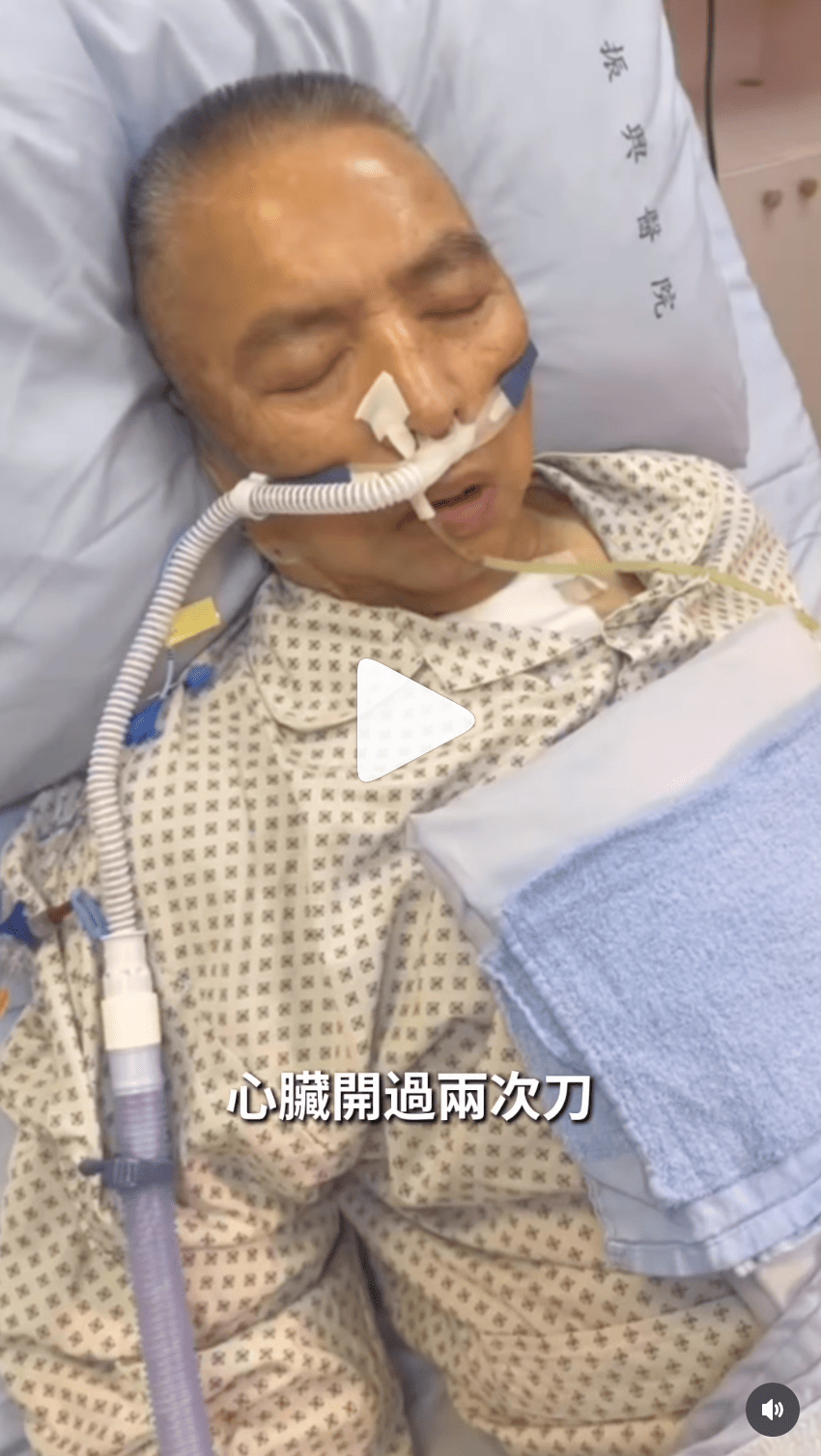
Dad in the ICU recovering from his surgery
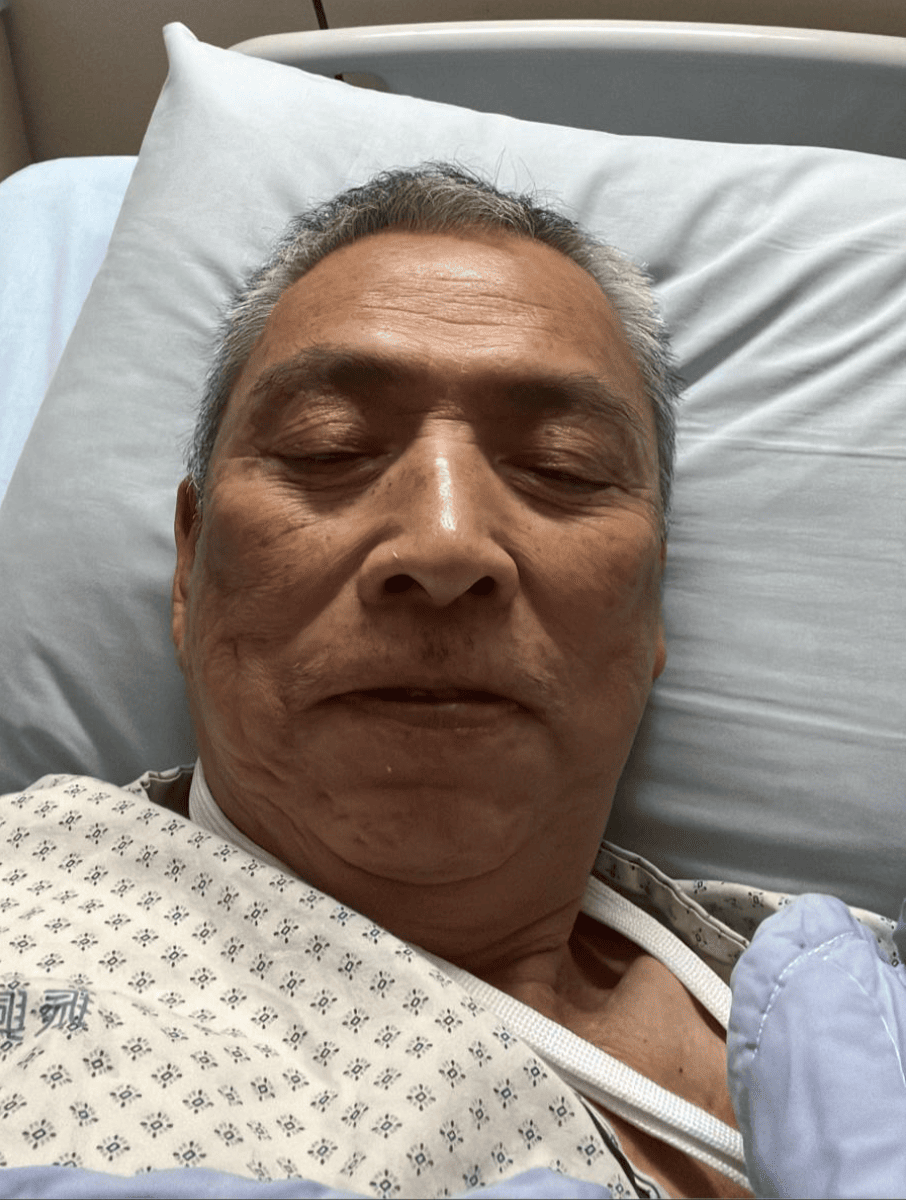
Pre-surgery : I wondered if I’d ever see my dad again.
Post-surgery : I continued to wonder if I’d ever see my dad again.
What people don’t tell you is that surgery doesn’t just take your physical health. It takes pieces of your personality too.
My dad’s body came back before he did. After surgery, he made progress on his health. He left the ICU. He moved off the wheel chair and into a walker. He went off the walker into a cane. His numbers improved, he could walk further, he ate again. But throughout this time, I noticed my dad wasn’t quite like he used to be. The goofiness was gone. He didn’t make his typical dad jokes anymore. He wouldn’t nag me about my haircut. He stopped nagging me about working harder at work. Instead, dad was apathetic, slow and just exhausted all the time. He was a different person.
One day, it dawned on me
“What if the dad that I grew up with just didn’t exist anymore?”
“I really miss him”
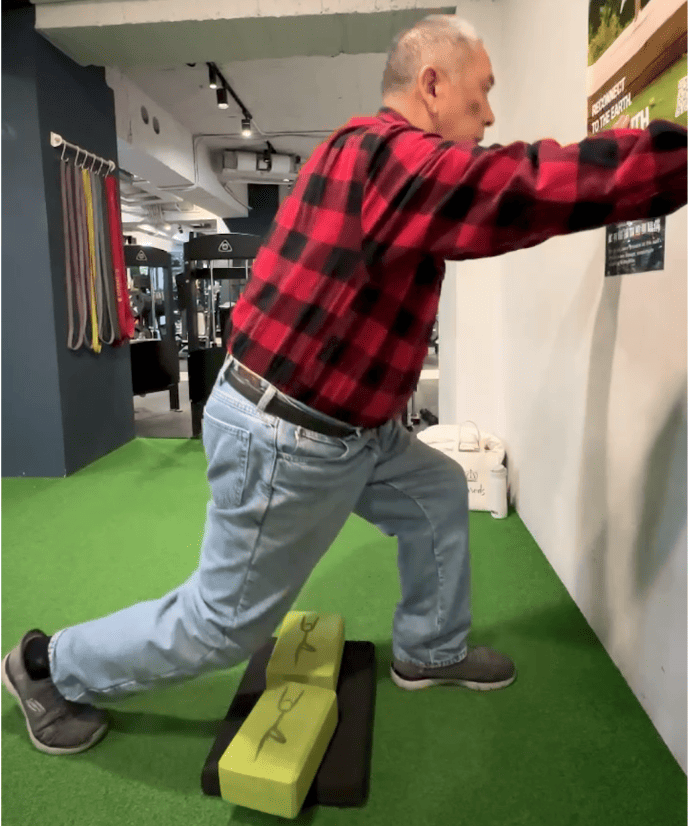
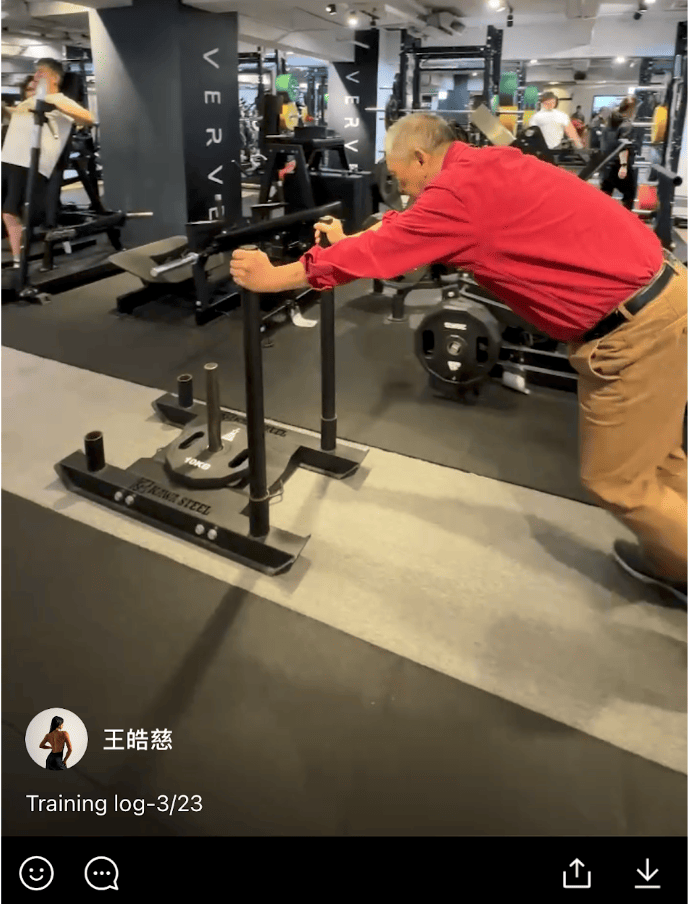
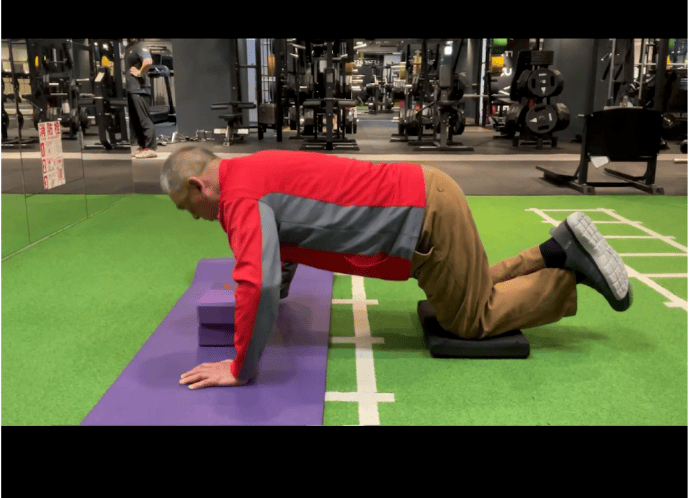
Over the next 3 years, we managed to nurse my dad’s health back. My mom cooked him healthy meals and I hired a great personal trainer for my dad to help him rebuild his strength. Remarkably, his health started to improve and his OG personality started coming back.
Check out this awesome video of his before and after journey.
Before ☠️
After 💪🦁🦍🏋️
My dad survived two open-heart surgeries and it was one of the hardest experiences that my sisters and I had to go through. As I reflect, I see so many problems in eldercare.
Navigating insurance we didn’t understand - what their plan covers, what it won’t, and which services they even qualify for.
Understanding the complexities of open-heart surgery - what are the risks, what do his blood pressure and heart rhythm numbers mean, and which symptoms are emergencies versus which can wait.
Building a care plan that didn’t exist – no one taught us how to motivate our parents to exercise, sequence strength-training for a weak-heart.
Coordinating care - find, schedule, and coordinate dad’s care across multiple doctors, pharmacies, and languages. Figuring out hacks to get specialists scheduled in 3 days rather than 6 months.
Our parents inevitably age and with this age often comes some transition point (Alzheimer’s, diabetes, stroke, open-heart-surgery) when we (without warning or preparation) transition from child to caretaker. This happens because we know that if we don’t take on this caretaker role, our parents health will decline unless we do something about it. And because our parents are no longer capable of being the primary stewards of their own health, we have to take on the responsibility and burden, knowing that no one else is coming.
My sisters and I experienced this.
My friends and family experience this.
Millions of other families experience this.
Ask
I’m a founder so I wonder about how things can be better …
- What if my dad had an AI-assistant that proactively reminded him to take his antibiotics before his dental assistant?
- What if insurance looked different and we didn’t have to wait months for appointments?
- What if we had a care-coordinator who could teach us how to take care of my dad post-surgery, who helped him build a training-plan and reassured me that I’d get to see my dad in his full goofy-form again?
I’m on my own journey to understand the eldercare better because
- (1) I want to care for my mom and dad better
- (2) I believe these problems need to be solved
I’m not sure where this journey will end up, but I know the first step to solving these problems is to learn about healthcare, aging so you can pinpoint problems and envision solutions. Then one day I can either start a company to solve these problems or meaningfully invest in some that are tackling these issues. This feels like the best way to make an impact.
Ask
If you’re helping a parent manage care — appointments, Medicare, prescriptions, insurance, rides, translation — I’d love to talk to you. I’m on my journey of caring for my aging mom and dad and navigating all this complexity and I’d love to understand how other people are doing this
If that’s you, please reach out : andylee024@gmail.com .
Thanks,
Andy